
Enhance Your Smile in a Single Visit with Dental Bonding in Dumas, TX
 A single minor flaw in your smile can have an outsized impact on how you feel every day. Whether it is a small chip on your front tooth from an accidental bump, an annoying gap that catches your eye in every photograph, or stubborn discoloration that refuses to respond to teeth whitening, feeling self-conscious about your teeth can hold you back from laughing freely and speaking with complete confidence.
The good news is you don’t need weeks of extensive dental surgery or costly cosmetic overhauls to achieve a balanced, radiant smile. One of the most versatile, gentle, and affordable treatments available is dental bonding (also known as cosmetic composite bonding). In as little as one comfortable visit, your dentist can sculpt away chips, close spaces, and restore harmony to your teeth without removing your healthy natural enamel.
At Dumas Family Dental, we believe that everyone deserves to feel proud of their smile. Dr. Maher Lawand and Dr. Nagham Ghanim, our trusted Dumas dentists provide gentle, personalized cosmetic dental bonding for patients across Dumas, TX, and the surrounding Texas Panhandle. Interested in learning more about dental bonding? Schedule your consultation at Dumas Family Dental by calling (806) 935- 6811.
Why Choose Dumas Family Dental for Cosmetic & Restorative Dentistry?
Selecting the right Dumas dental office is essential when it comes to aesthetic procedures like dental bonding. Achieving a seamless restoration requires not only clinical precision, but also a meticulous eye for facial balance, tooth proportions, and artistic shading.
At Dumas Family Dental, our practice stands out for restorative and cosmetic excellence because:
- Award-Winning Clinical Training: Dr. Maher Lawand completed advanced surgical and restorative training at the renowned Resnik Institute of Implant Dentistry, giving him deep expertise in functional bite alignment and smile mechanics. Dr. Nagham Ghanim graduated near the top of his class from Texas A&M College of Dentistry, earning the prestigious Prosthodontics Society Award, the Omicron Kappa Upsilon National Dental Honor Society Award, and consistent placement on the Dean’s List. Their combined mastery ensures your restorations are both structurally sound and visually stunning.
- A Gentle, Anxiety-Free Atmosphere: We know that dental visits can cause apprehension for some patients. We practice gentle, compassionate care, explain every step thoroughly, and offer comforting sedation dentistry options—such as mild nitrous oxide (“laughing gas”)—to help you feel completely at ease throughout your appointment.
- A Proven 40-Year Legacy: Dumas Family Dental has been a cornerstone of the Dumas community since 1980, originally founded by Dr. David M. Bonner. With nearly 200 5-star Google reviews, we treat every patient like an extension of our own family.
- Full-Service Dentistry Under One Roof: From routine cleanings and pediatric care to restorative dental treatments, we provide comprehensive dental solutions for your entire household.
What is Dental Bonding?
Dental bonding is a cosmetic and restorative dental procedure where a tooth-colored, pliable composite resin material is applied directly to the surface of a tooth, meticulously sculpted into the ideal anatomical shape, hardened with a high-intensity curing light, and polished to a lifelike luster.
The name “bonding” comes from the physical and chemical process itself: the composite resin material bonds directly to your natural tooth enamel on a microscopic level. Unlike dental crowns or traditional porcelain veneers—which require removing a layer of healthy enamel and waiting weeks for an off-site dental laboratory to fabricate the restoration—dental bonding is typically performed chairside in a single appointment. Because the procedure is additive rather than subtractive, your natural tooth structure is almost entirely preserved. For many patients, dental bonding offers the ideal sweet spot between exceptional aesthetic results, minimal invasiveness, and budget-friendly accessibility.
Common Smile Concerns Dental Bonding Can Fix
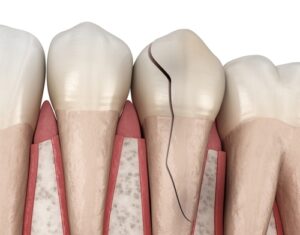 One of the greatest strengths of composite dental bonding is its remarkable versatility. Dr. Lawand and Dr. Ghanim utilize bonding to address a wide variety of minor cosmetic imperfections and functional dental concerns, including:
- Repairing Chipped or Cracked Teeth: Small accidents, sports injuries, or biting down on hard foods can easily chip the edge of a front tooth. Dental bonding seamlessly replaces the missing enamel fragment, restoring both the tooth’s visual contour and its smooth, comfortable bite.
- Closing Gaps Between Teeth (Diastemas): If you have noticeable spacing between your two front teeth or minor gaps elsewhere in your smile, dental bonding can gently widen the adjacent teeth to close the space naturally, without requiring months or years of orthodontic aligners.
- Concealing Severe or Intrinsic Discoloration: While professional in-office teeth whitening works wonders on extrinsic surface stains, some tooth discoloration is intrinsic—caused by medications (like tetracycline), dental trauma, or developmental enamel fluorosis. Composite bonding covers deeply stained enamel with a radiant, custom-matched shade.
- Reshaping Irregular or Misshapen Teeth: Some teeth naturally grow slightly smaller than normal (such as peg laterals), develop uneven ridges, or wear down prematurely due to nighttime clenching. Bonding allows your dentist to build up the tooth’s proportions so it flows harmoniously with the rest of your smile line.
- Protecting Exposed Tooth Roots: When gums recede due to aggressive brushing, aging, or periodontal issues, sensitive tooth roots can become exposed to hot and cold temperatures. Bonding composite resin over exposed root surfaces eliminates sharp sensitivity while shielding vulnerable dentin from decay.
- Cosmetic Alternative to Metal Fillings: In addition to cosmetic enhancements, the same composite resin technology is used to restore small cavities in visible areas, ensuring your cavity repairs remain virtually invisible.
Dental Bonding vs. Porcelain Veneers: How to Choose the Right Option
When exploring ways to enhance your smile, you will often find dental bonding compared to porcelain veneers. Both treatments are designed to deliver stunning, natural-looking cosmetic transformations, but they differ in terms of materials, permanence, timeline, and investment.
Which is Right for You?
- Dental bonding is often the perfect choice if you have minor cosmetic flaws on one or two teeth, want immediate results in an hour, prefer a non-invasive treatment that preserves your natural enamel, or are working within a specific budget.
- Porcelain veneers are typically recommended for patients seeking a comprehensive, multi-tooth “smile makeover,” those with severe enamel wear or deep tetracycline staining across multiple teeth, or individuals looking for maximum long-term stain resistance and longevity.
During your comprehensive smile consultation at our Dumas dental office, Dr. Lawand or Dr. Ghanim will carefully evaluate your teeth, discuss your personal goals, and help you select the treatment that best aligns with your vision and lifestyle.
What to Expect During a Dental Bonding Appointment
One of the reasons our patients love dental bonding is how relaxed, straightforward, and painless the procedure is. In fact, unless the bonding is being performed to fill an active cavity or repair a fracture close to the nerve, local anesthesia (“numbing shots”) is usually not even necessary!
Here is what your visit looks like from start to finish:
Custom Shade Matching
First, your dentist uses a detailed dental shade guide to select the exact tint of composite resin that matches the natural translucency, brightness, and undertones of your surrounding teeth. If you are also planning to whiten your teeth, we recommend completing professional teeth whitening prior to bonding so we can match the resin to your brighter baseline smile.
Tooth Preparation
Next, the surface of the tooth is gently cleaned and conditioned. Your dentist applies a mild etching liquid that lightly texturizes the microscopic surface of your enamel. This safe, painless step creates microscopic pores that allow the bonding liquid to form an unbreakable mechanical bond with your tooth.
Applying the Bonding Liquid and Resin
A liquid conditioning agent is applied to the etched enamel, followed by the pliable composite resin. The resin has a clay-like consistency, allowing Dr. Lawand or Dr. Ghanim to sculpt, layer, and shape the material with artistic precision, carefully recreating natural tooth contours, curves, and light-reflecting anatomy.
Curing and Hardening
Once the composite is sculpted to perfection, a specialized ultraviolet (UV) or blue curing light is directed onto the tooth for several seconds. The light activates catalysts within the resin, causing it to harden instantly into a durable, tooth-like structure.
Final Shaping and High-Shine Polishing
After the material is completely set, your dentist makes micro-adjustments using fine dental burs to refine your bite alignment and ensure that your teeth come together comfortably. Finally, the bonded tooth is polished with smoothing discs and polishing paste until its luster matches the natural shine of your surrounding enamel. You can walk out of our office in under an hour, look in the mirror, and immediately enjoy a refreshed, camera-ready smile!
How to Care for Your Bonded Teeth and Make Them Last
While modern composite resin materials are exceptionally strong, they do require thoughtful everyday care to ensure they look pristine for years to come. With good oral hygiene habits and mindful chewing, dental bonding can easily last 5 to 10 years before requiring minor touch-ups or replacement.
Follow these simple, dentist-recommended maintenance tips:
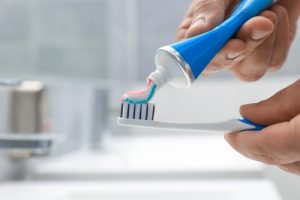 Brush and Floss Daily: Brush twice a day using a soft-bristled toothbrush and non-abrasive fluoride toothpaste. Floss daily around your bonded teeth just as you would your natural teeth to prevent plaque buildup at the gumline.
- Avoid Biting Hard Objects: Never use your teeth as tools to open packages, rip tape, or crack nutshells. Avoid chewing on ice cubes, hard candies, fingernails, or pens, as concentrated force on the edge of a bonded tooth can cause the composite to chip.
- Minimize Staining Beverages: Composite resin is slightly more porous than porcelain. To prevent surface staining, rinse your mouth with water or brush your teeth after enjoying coffee, dark teas, red wine, colas, or berry sauces, especially during the first 48 hours after treatment.
- Wear a Night Guard for Teeth Grinding: If you clench or grind your teeth while sleeping (bruxism), the heavy nocturnal forces can fracture both natural enamel and dental bonding. Ask our dentists in Dumas about creating a custom night guard to cushion and protect your smile while you sleep.
- Schedule Routine Cleanings and Exams: Visit Dumas Family Dental every six months for routine preventive care. During your dental cleaning, our dental hygienists use specialized polishing pastes designed for composite restorations, and your dentist will check the margins of your bonding to ensure it remains smooth and secure.
Frequently Asked Questions
In the vast majority of cases, dental bonding is completely painless and requires no local anesthesia (shots). Because the procedure only involves conditioning the outer layer of enamel and layering composite resin onto the surface, the nerve of the tooth remains unaffected. Anesthesia is only used if the bonding is being performed to treat an active cavity or if the chip is deep enough to expose inner dentin.
With proper care and good oral hygiene, composite dental bonding typically lasts between 5 to 10 years. Over time, the material may experience minor surface wear or staining, but it can easily be retouched, polished, or repaired by your dentist during your routine six-month checkups without needing to redo the entire tooth.
No. Composite resin does not respond to traditional teeth whitening gels in the same way natural enamel does. If your natural teeth darken or if the bonding becomes discolored over the years, whitening products will only lighten your natural teeth, potentially causing an uneven shade mismatch. If you want a brighter smile, we recommend whitening your natural teeth before your bonding procedure so our dentists can shade-match the composite resin to your new, whiter teeth.
Dental bonding is one of the most affordable cosmetic and restorative treatments in dentistry. If bonding is performed for structural reasons—such as repairing a broken tooth, filling a cavity, or protecting an exposed root—dental insurance often covers a significant portion of the cost. If the procedure is performed purely for elective cosmetic reasons (like closing a small gap), insurance may consider it cosmetic, but our transparent pricing and flexible payment options ensure care remains accessible. Our helpful front desk team will happily review your insurance benefits and outline all costs prior to treatment.
Schedule Your Bonding Consultation with Your Dumas Dentists!
You don’t have to spend another day hiding a chipped tooth, feeling self-conscious about a small gap, or wondering if your smile could look better. With modern dental bonding at Dumas Family Dental, a confident, refreshed smile is just one gentle appointment away.
By combining advanced dental materials, technical precision, and an artistic vision, Dr. Maher Lawand and Dr. Nagham Ghanim craft natural-looking, seamless results. Allow us to help you regain complete confidence in your smile! Contact the best cosmetic dentists in Dumas by calling (806) 935- 6811.